This research division is aimed at fluid flow and associated heat and mass transport processes that arise in different types of water bodies (river, lakes, resevoirs, coastal water) covering local and regional scales. The interaction of these flow processes with engineering structures and devices is the first major focus of these studies. The second focus is on their response to anthropogenic heat and mass sources with regard to water quality aspects. Examples of current research projects that utilize a combination of analytical, numerical and experimental methods are:
|
- Pollutant dispersion in rivers and river systems with pronounced heterogenetis, such as groynes or run-of-the-river reservoirs, including development of existing pollutant alarm modules used by river authorities.
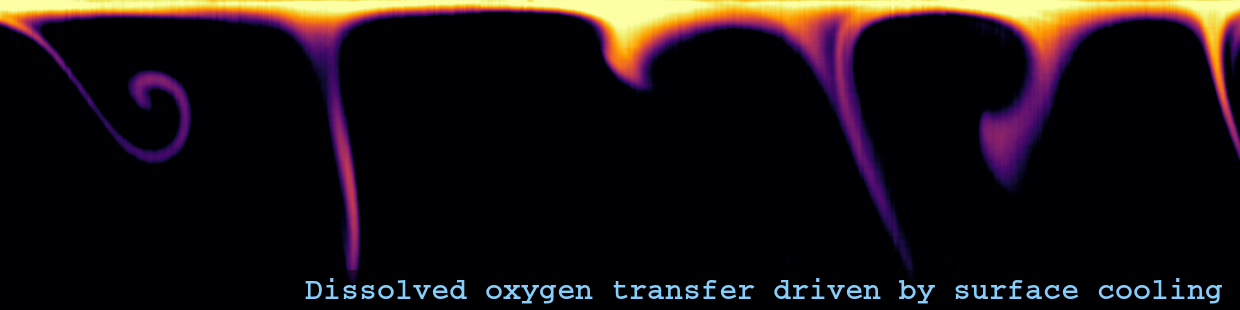
- Gas exchange at the air-water interface under the influence of different turbulence generating mechanisms
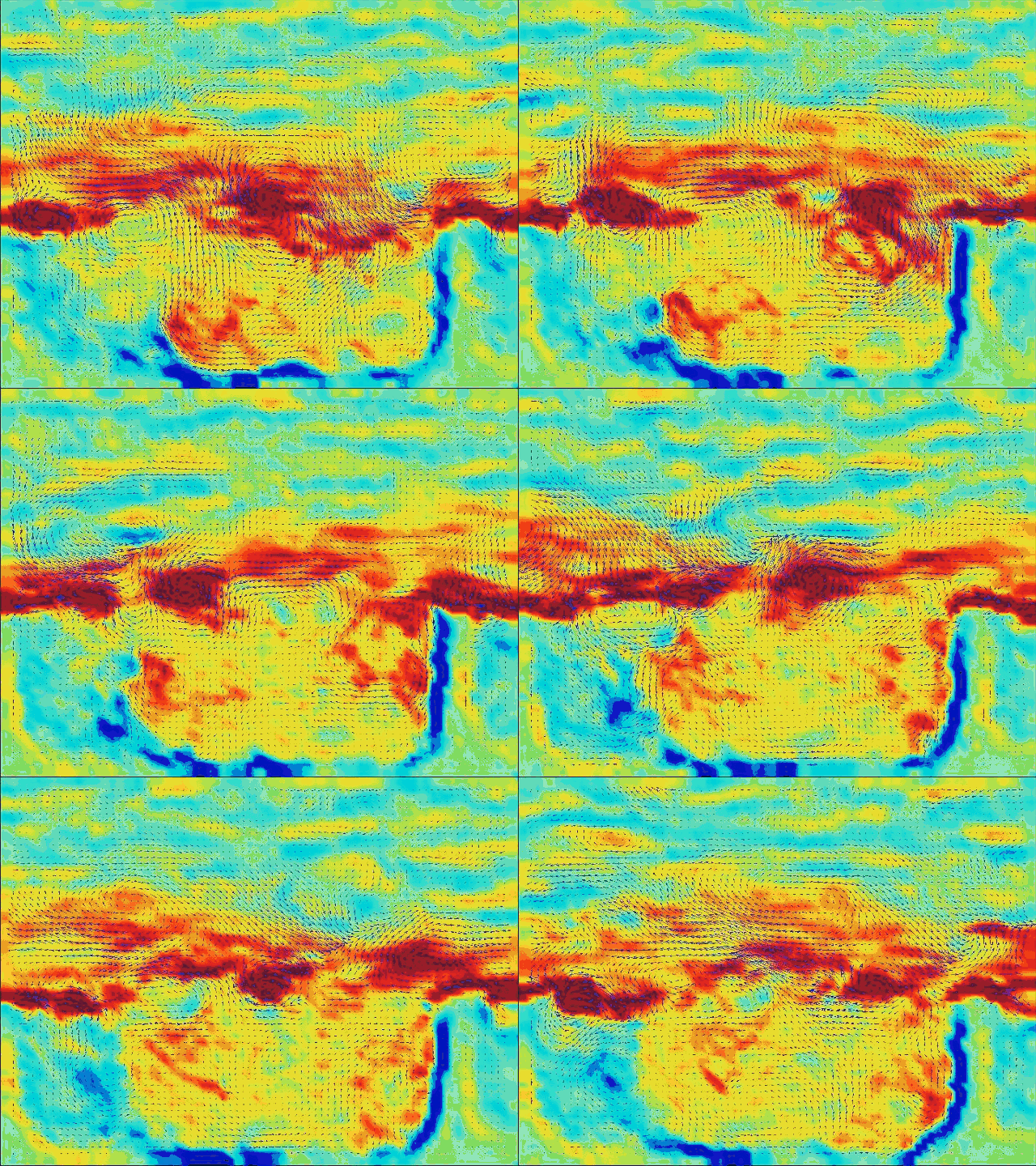
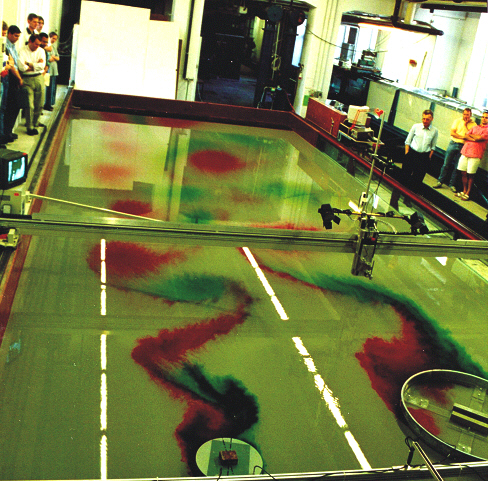
- Studies of flow instabilities and large-scale coherent structures in shallow flows (wide rivers, coastal regions), including transport and mixing of dissolved and suspended matter.
- Topograpical effects for stratified flows in lakes or reservoirs.
- Mixing processes for pollutant discharges into water bodies in form of momentum or buoyant jets, including multiport diffuser devices. Development of PC-based expert systems (e.g CORMIX) for the qualitative description and quantitative forecast of mixing intensities for different water bodies.
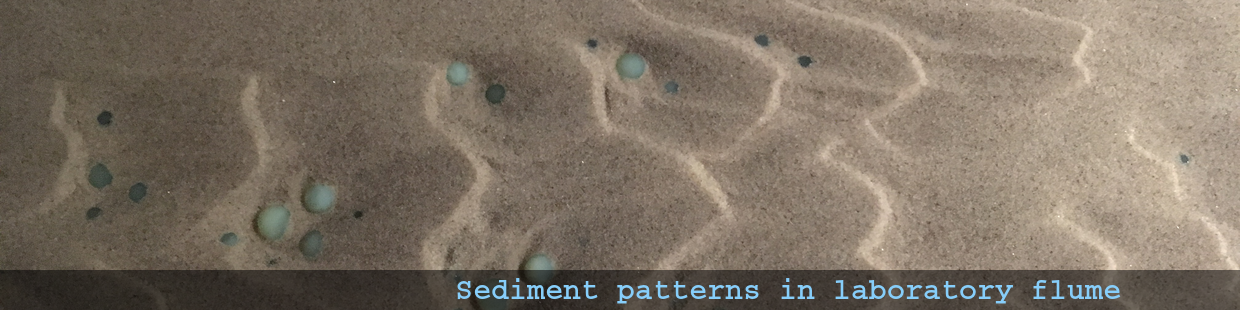
- Suspended sediment dynamics in river and estuarial systems, including effectof salt stratification and associated contaminant adsorption processes.
|